A call is usually the first point of human contact after extensive online research, making it a pivotal moment in the car-buying journey. An effective phone conversation can significantly impact sales, as phone leads convert 30-50% faster, resulting in vehicle purchases ten times more frequently than web leads. However, converting a caller into a lead takes work. It requires skill and a structured approach to ensure a great phone experience. This article suggests some tips and tricks to help dealerships master the art of phone call sales and maximize their ROI.
Optimizing Phone Sales with a Structured Approach and Digital Insights
The first step is understanding the caller’s digital journey, beginning with the dealership’s website, search ads, or social media. According to Google, 57% of consumers use call extensions shown in digital content to get more information or book an appointment. Therefore, displaying the phone number prominently across all platforms is crucial.
In addition, a caller typically seeks to verify specific information, having already gathered most of what they need through the dealership’s digital platforms. They usually need expert guidance or detailed info to convince them to visit the dealership. Therefore, the person answering the phone must be knowledgeable about inventory, car specifications, promotions, discounts, financing options, and warranty details while delivering clear, consistent messaging. One way to overcome this challenge is by providing a structured approach to follow when talking to customers. This can be a conversation script that includes a checklist where the first item collects the caller’s name and phone number and then addresses their specific queries and concerns.
The Importance of Having In-Person Negotiations After Phone Calls
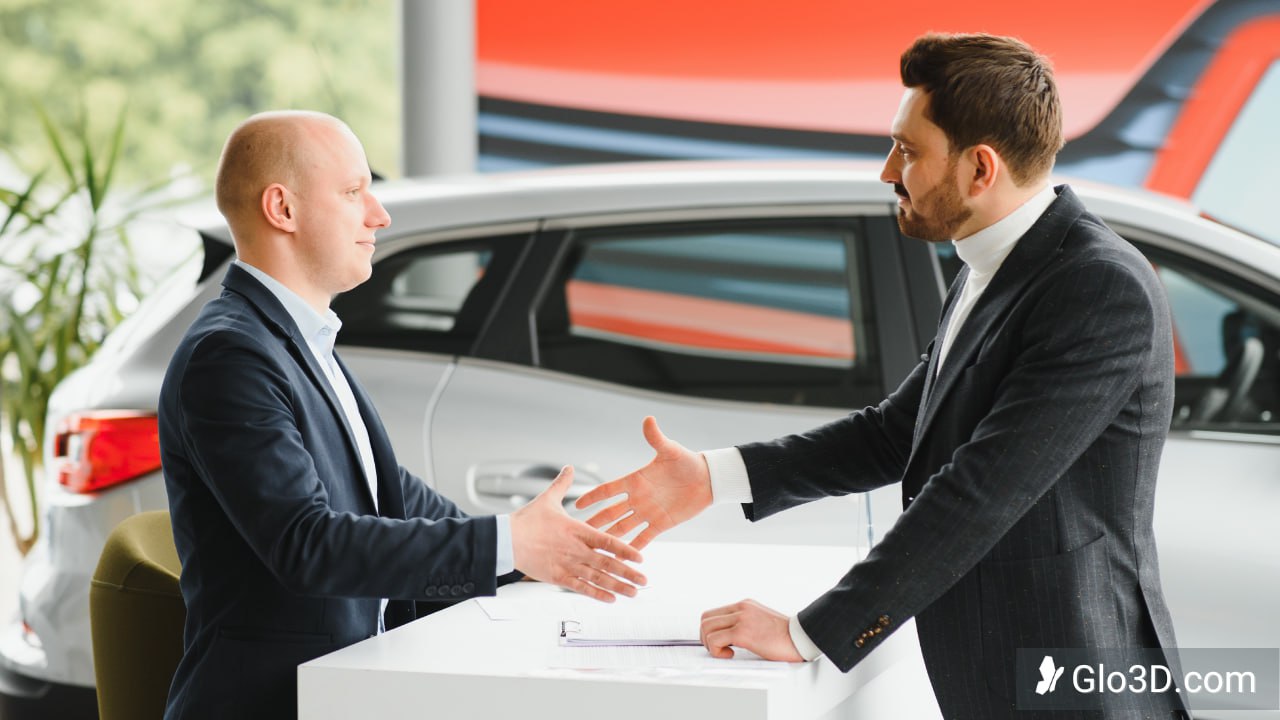
According to a study by the Harvard Business Review, face-to-face requests are 34 times more successful than indirect communication. It suggests that in-person negotiations are still more effective than phone negotiations. It is worth mentioning that customers often call to compare prices from multiple dealerships, which makes phone negotiations counterproductive as they might leverage better deals elsewhere. So, it is a reasonable strategy to schedule a time to talk to them in person in the showroom. Vehicle purchases involve complex factors like financing and trade-ins, which are easier to discuss in person. Negotiations are more effective in a professional setting where salespeople can use various tools to assist customers.
Turn Phone Objections to Sales Opportunities
When handling objections on a phone call, the primary objective is to acknowledge the customer’s concern through active listening. A complainant needs to vent their frustration and find a satisfactory answer for their confusion. A professional call responder should explain the situation and clarify while maintaining a positive tone. They should offer a way to compensate and emphasize the value and benefits of the deal. Additionally, the responder should ask open-ended questions to understand the customer’s needs better and reinforce the benefits, using a friendly and professional demeanour to build rapport and trust.
Conclusion
Given the pivotal role of phone calls in the car-buying journey, it is essential to adopt a structured approach and leverage digital insights to optimize these interactions. Dealerships can significantly enhance their phone sales performance by understanding the caller’s digital journey, providing knowledgeable and consistent responses, and using a structured conversation script.
About the Author

Sean Toussi is the CEO and co-founder of Glo3D.com, a leading digital marketing and AI technology provider for the automotive industry. With extensive experience in emerging technologies, automotive retail, and digital transformation, Sean is widely recognized for his expertise in dealership innovation and retail modernization. His insights have been featured in outlets such as Forbes, Digital Dealer Magazine, and UCD Magazine.
Sean is a frequent speaker at major automotive industry events, including NADA, NIADA, and NIAA, where he shares practical strategies on AI adoption, customer experience, and the future of car dealerships. Passionate about advancing the automotive ecosystem, he helps dealerships and industry leaders leverage technology to increase efficiency, improve customer engagement, and drive sustainable growth.