Virtual Selling: From Online Interest to Real Appointments
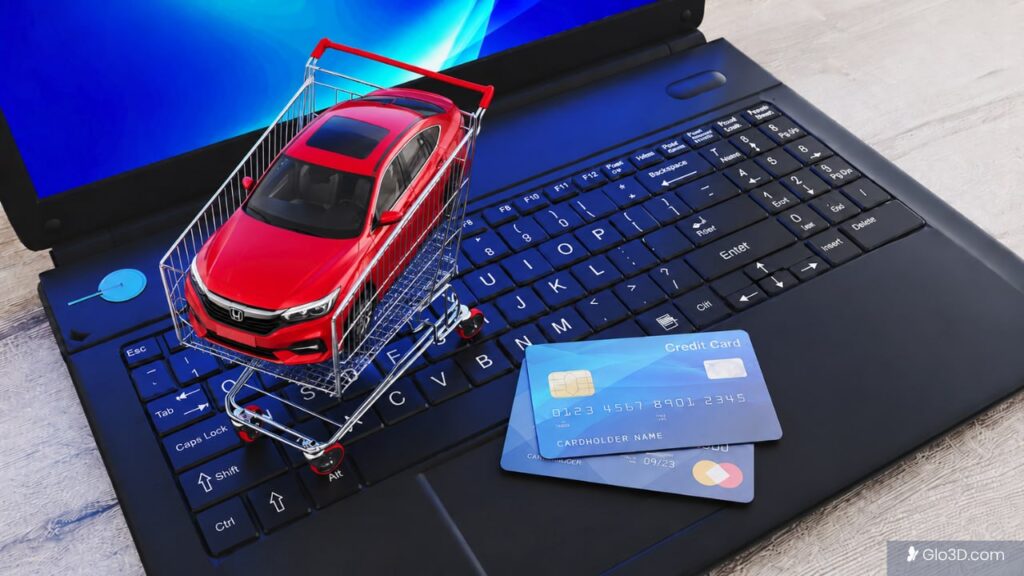
The internet, online shopping habits, and the COVID era have changed the way people make purchase decisions. Buyers now expect to do their own research. They move through the buying journey on their own terms whenever possible. And when it comes to a major purchase like a car, this behavior becomes even more important. That’s why dealerships need to create an online buying experience that informs, engages, and guides shoppers before they ever step into the showroom—commonly called virtual selling.
When dealers incorporate virtual selling into their process, they address modern shoppers’ expectations directly. This article suggests practical virtual selling strategies. Dealerships can use them to meet today’s buyer expectations.
Key Takeaways
- Strong visuals build buyer confidence by giving shoppers a clear view of the vehicle online.
- Focus on selling the next step, such as a conversation, appointment, or showroom visit.
- Prioritize engaged leads instead of treating every online inquiry the same.
- Align sales and marketing so messaging stays consistent across ads, email, chat, and follow-up.
- Use CRM data and automation to create a smoother path from online interest to sale.
Turn Visuals Into Virtual Selling Power
In virtual selling, confidence starts with visibility. Buyers still want to “see, feel, and touch” the car before deciding, even when their shopping journey begins online. Since they cannot inspect the vehicle in person on their screens, dealerships need to provide high-quality visual evidence across every digital touchpoint. This is especially important for virtual selling strategies in dealerships. Visual assets are a cornerstone for attracting today’s digital buyers. From detailed photos and videos to 360° walkarounds and transparent condition highlights, the goal is to give shoppers a clear and honest view of the vehicle wherever they discover it online.
Sell the Next Step
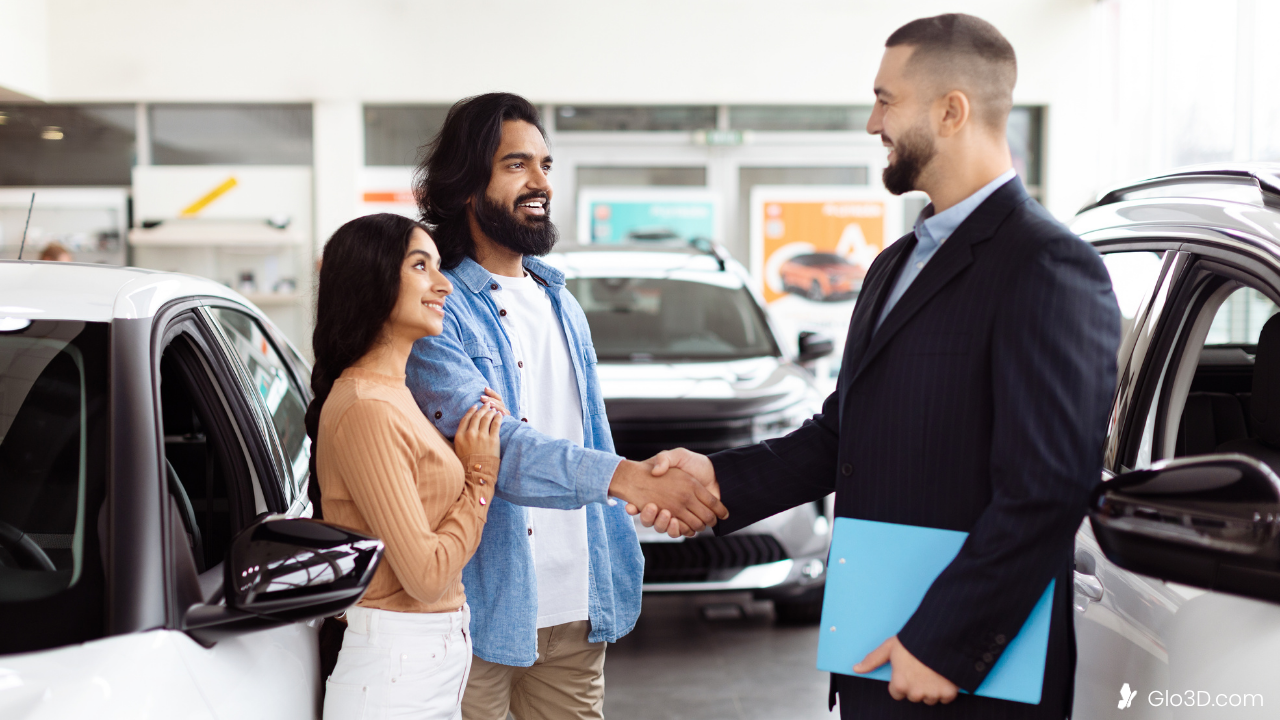
A key part of virtual selling is understanding that the goal is not always to sell the car immediately; it is to sell the next step. Guide every online lead toward a clear action, whether that means a conversation with the sales team, a scheduled visit, or another step that moves them closer to buying.
For dealerships implementing virtual selling, leads often convert more slowly. Therefore, the process for guiding them must be tailored. This matters because internet leads often convert at a lower rate than in-person opportunities. Many shoppers may not be ready to buy right away.
Instead of treating online leads as cheap volume, successful dealerships manage them with speed, process, and accountability. They understand that not every inquiry deserves the same level of attention. So focus on separating casual browsers from serious shoppers and moving the most engaged leads toward a real appointment.
Sync Sales and Marketing
Virtual selling works best when sales and marketing move together. For dealerships, the message a shopper sees in an ad should match what they receive in emails, video messages, chatbot conversations, and sales follow-ups. This creates a smoother, more trustworthy buying journey. Both in sales and marketing, virtual selling for dealerships depends on consistency across every touchpoint to maximize results. Marketing brings in the right shoppers. Leads with relevant follow-ups. By sharing CRM data and automating initiatives, both teams can close gaps and improve the experience. As a result, they can move shoppers more easily from online interest to an appointment or a sale.
Conclusion
Virtual selling is now a key part of how customers shop for cars. Buyers want to explore, compare, and build confidence before visiting the showroom. Dealerships that implement virtual selling strategies see smoother transitions from online interest to appointments and sales. This makes virtual selling for dealerships a necessity in today’s market. With strong visuals, clear next steps, and aligned sales and marketing, dealerships can create a smoother path from online interest to real appointments and sales.
FAQ
- What is virtual selling for car dealerships? Using online tools to guide shoppers before they visit the showroom.
- Why do visuals matter in virtual selling? They help shoppers better understand the vehicle, build trust, and feel more confident when they cannot inspect the car in person.
- How can dealerships make virtual selling more effective? Use strong visuals, fast, tailored follow-ups, clear next steps, and consistent messaging.
- Does virtual selling replace the showroom experience? No. Virtual selling supports the showroom experience by helping shoppers feel more informed and confident before they arrive.
About the Author

Sean Toussi is the CEO and co-founder of Glo3D.com, a leading digital marketing and AI technology provider for the automotive industry. With extensive experience in emerging technologies, automotive retail, and digital transformation, Sean is widely recognized for his expertise in dealership innovation. His insights have been featured in outlets such as Forbes, Digital Dealer Magazine, and UCD Magazine.
Sean is a frequent speaker at major automotive industry events, including NADA, NIADA, and NIAA. At these events, he shares practical strategies on AI adoption, customer experience, and the future of car dealerships. Passionate about advancing the automotive ecosystem, he helps dealerships and industry leaders leverage technology. This increases efficiency, improves customer engagement, and drives sustainable growth.