
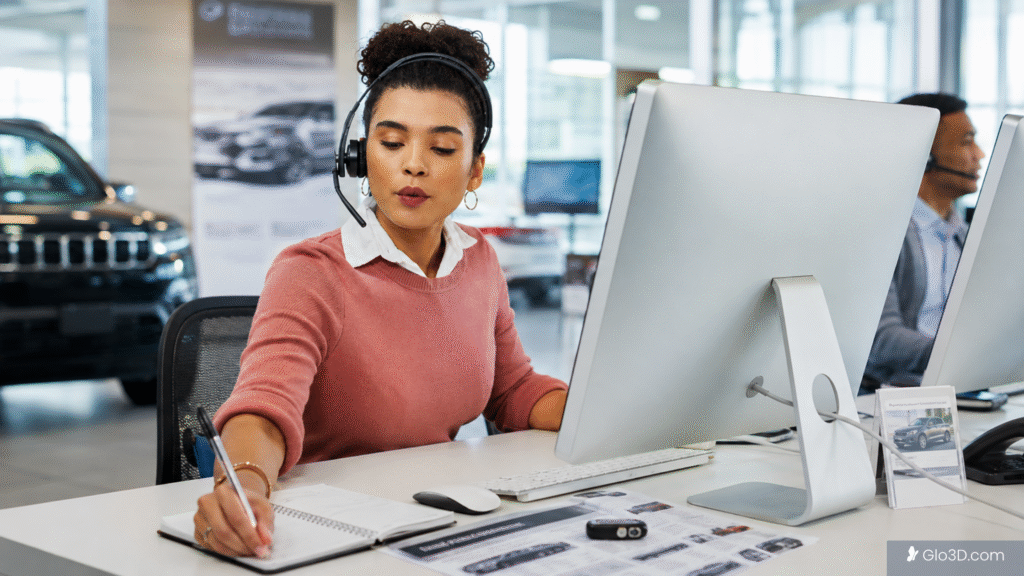
The Right Way to Follow Up with Car Buyers
Dealerships often see follow-up as a necessary part of sales, but they don’t always handle it effectively. For real results, follow up with Car Buyers in a way that feels genuine and keeps them engaged. Often, it becomes a routine series of calls, texts, or “just checking in” messages that do little to move the customer forward. Effective follow-up isn’t about contacting customers more often; it is about continuing an unfinished conversation with a clear, relevant next step.
This article explores practical strategies for doing that throughout the customer relationship.
Key Takeaways
- Follow up while interest is still active and continue the conversation with useful information.
- Avoid unnecessary or poorly timed messages that can feel repetitive or intrusive.
- Use meaningful triggers like price changes, new inventory, or vehicle availability to reconnect.
- Give every follow-up a clear next step, such as booking a test drive or confirming preferences.
- Effective follow-up is about relevance and progress, not simply contacting customers more often.
Follow Up While the Customer Is Still Engaged
After responding to a fresh internet lead’s initial inquiry, the dealership should follow up quickly while the customer is still actively comparing options. The follow-up should build on the first conversation by providing additional information, answering an unresolved question, or suggesting a clear next step, such as confirming availability, sharing pricing details, or arranging a visit. At this stage, timing matters because customer interest can fade quickly, but the message must continue the conversation rather than repeat the original response.
Avoid Follow-Ups at Inappropriate Times
Even when a follow-up is relevant, poor timing can make it feel intrusive. Avoid late calls unless the customer said they are available then or submitted a lead after hours and still seems active. Don’t send follow-ups just because the scheduled time has arrived, especially when there is no new information or clear reason to continue the conversation. Reaching out at the wrong time or without a meaningful purpose can create pressure instead of helping the customer move forward.
Follow Up When Something Relevant Changes
A follow-up has more value when it is triggered by new information connected to the customer’s previous interest. A price drop, a new incentive, or the arrival of a suitable car gives the dealership a clear reason to reconnect. If the car the customer wanted has been sold, the dealership should let them know promptly and suggest similar options. This keeps the customer informed and continues the conversation with useful information rather than a routine check-in.
Give Every Follow-Up a Clear Next Step
Every follow-up should move the conversation toward a clear next step. Instead of ending with a vague message, the dealership should ask a relevant question or suggest a simple action, such as scheduling an appointment, arranging a test drive, confirming the customer’s preferences, or agreeing on a suitable time to reconnect. This gives the follow-up a clear purpose and helps the conversation progress naturally.
What follow-up really means
Follow-up means continuing a customer conversation that hasn’t reached a clear conclusion. It is not simply answering the first inquiry, nor is it repeatedly calling or messaging without a reason. An effective follow-up responds to what the customer needs next, such as:
- providing promised information,
- answering an unresolved question,
- sharing a relevant update,
- or helping arrange a test drive or appointment.
The goal is to move the conversation forward in a useful and natural way, not just to contact the customer more often.
Conclusion
Effective follow-up is measured not by how many times a dealership contacts a customer, but by whether each interaction moves the conversation forward. The best follow-ups happen while interest is still active, respect the customer’s preferred timing, provide relevant information, and lead to a clear next step.
FAQ
- What is dealership follow-up? It means continuing an unfinished customer conversation with useful information or a clear next step.
- How quickly should dealerships follow up? While the customer is still engaged and there is a relevant reason to reconnect.
- How often should dealerships follow up? Based on the customer’s actions, needs, and preferences – not a fixed schedule.
- What is a good reason to follow up? A price change, new incentive, available car, unresolved question, or appointment opportunity.
- What should every follow-up include? A clear purpose and a simple next step.
About the Author

Sean Toussi is the CEO and co-founder of Glo3D.com, a leading digital marketing and AI technology provider for the automotive industry. With extensive experience in emerging technologies and automotive retail, Sean is an expert in digital transformation and dealership innovation. He is widely recognized for his expertise in dealership innovation. His insights have been featured in outlets such as Forbes. Additionally, he has contributed to Digital Dealer Magazine, and UCD Magazine.
Sean is a frequent speaker at major automotive industry events, including NADA, NIADA, and NIAA. At these events, he shares practical strategies on AI adoption, customer experience, and the future of car dealerships. Passionate about advancing the automotive ecosystem, he helps dealerships and industry leaders leverage technology. This increases efficiency, improves customer engagement, and drives sustainable growth.


